
Technical guide
Rubber sleeves for pinch valves – selection of material, type and dimensions
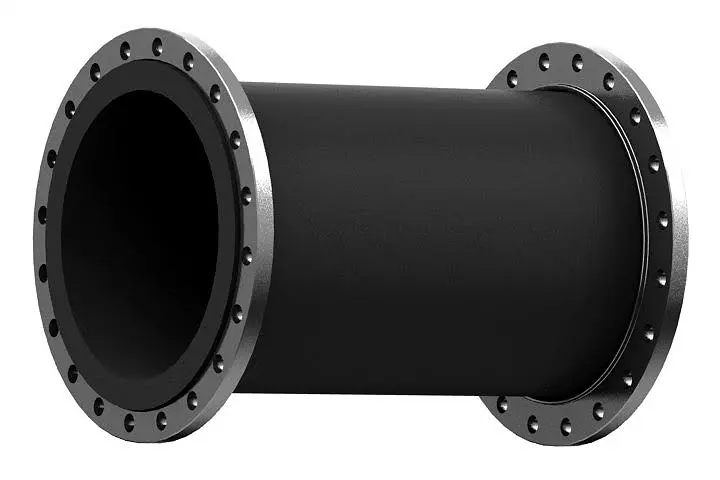
The rubber sleeve is the most important working component of a pinch valve. It is in direct contact with the medium and is compressed from the outside when the valve closes. After opening, it returns to its original shape and allows free flow through the full bore.
Sleeve selection should not be based solely on nominal diameter DN. The new part must match the specific valve body, mounting method and operating conditions of the installation. The medium, temperature, pressure and valve operating frequency are also important.
How does the sleeve work in a pinch valve?
A pinch valve shuts off or regulates flow by externally deforming a flexible rubber sleeve. The medium flows through the inside of the sleeve and does not come into contact with the closing mechanism.
This solution is used, among other applications, in installations transporting:
- contaminated liquids,
- wastewater,
- slurries and suspensions,
- semi-liquid substances,
- bulk materials,
- media containing solid particles.
A worn sleeve can be replaced without replacing the entire valve body. The new component must, however, be compatible with the valve and the actual process conditions.
Valve sleeve versus connection gasket
A rubber pinch-valve sleeve and a connection gasket are two different components.
The valve sleeve is in contact with the medium, changes shape during closing and takes part in shutting off the flow.
The connection gasket provides sealing between mating surfaces, for example in a flanged connection. It does not perform the working function of shutting off the flow.
Both components may be made of rubber, but they require different selection methods. The criteria for seals are described in the guide Rubber seals in industrial valves.
Sleeve material is selected for the medium
Sleeve durability depends primarily on the compatibility of the rubber compound with the medium and operating conditions. Metal-Gum sleeves are available in NR, EPDM, EPDM-HT, NBR and SBR compounds. The specific execution must be confirmed for the given valve and installation.
NR
Natural rubber NR is highly flexible and has good abrasion resistance. It may be used in applications with media containing solid particles, such as slurries, pulps or suspensions.
EPDM and EPDM-HT
EPDM is often used in water, wastewater and industrial installations. It has good resistance to water, steam and many chemical solutions.
EPDM-HT is a variant intended for applications requiring increased temperature resistance. Selection depends on the specific compound, temperature and operating pressure.
NBR
NBR is used primarily in applications involving oils, fuels and fats. Before selecting the material, it is worth defining the exact medium, temperature and duration of contact with the rubber.
SBR
SBR may be used in selected technical applications. Its suitability is determined by the operating conditions of the specific valve rather than by the name of the medium alone.
There is no single compound suitable for every application. The same sleeve may work correctly in one installation and wear quickly in another, despite a similar diameter or pressure.
Types of sleeves for pinch valves
Metal-Gum offers several basic sleeve variants. They differ in geometry and mounting method, so they are not automatically interchangeable.
Drilled sleeves
A drilled sleeve has a prepared pattern of mounting holes. Selection requires confirmation not only of DN, but also of the number, spacing and dimensions of the holes, flange type and end geometry.
In the Metal-Gum catalogue, drilled sleeves are available in the DN32–DN500 range with PN06, PN10 or PN16 drilling. See drilled sleeves
Undrilled sleeves
An undrilled sleeve does not have a prepared pattern of mounting holes. It still has to match the valve design, length, end diameters and mounting method.
Metal-Gum undrilled sleeves are available in the DN24–DN150 range. See undrilled sleeves
Double-arched sleeves
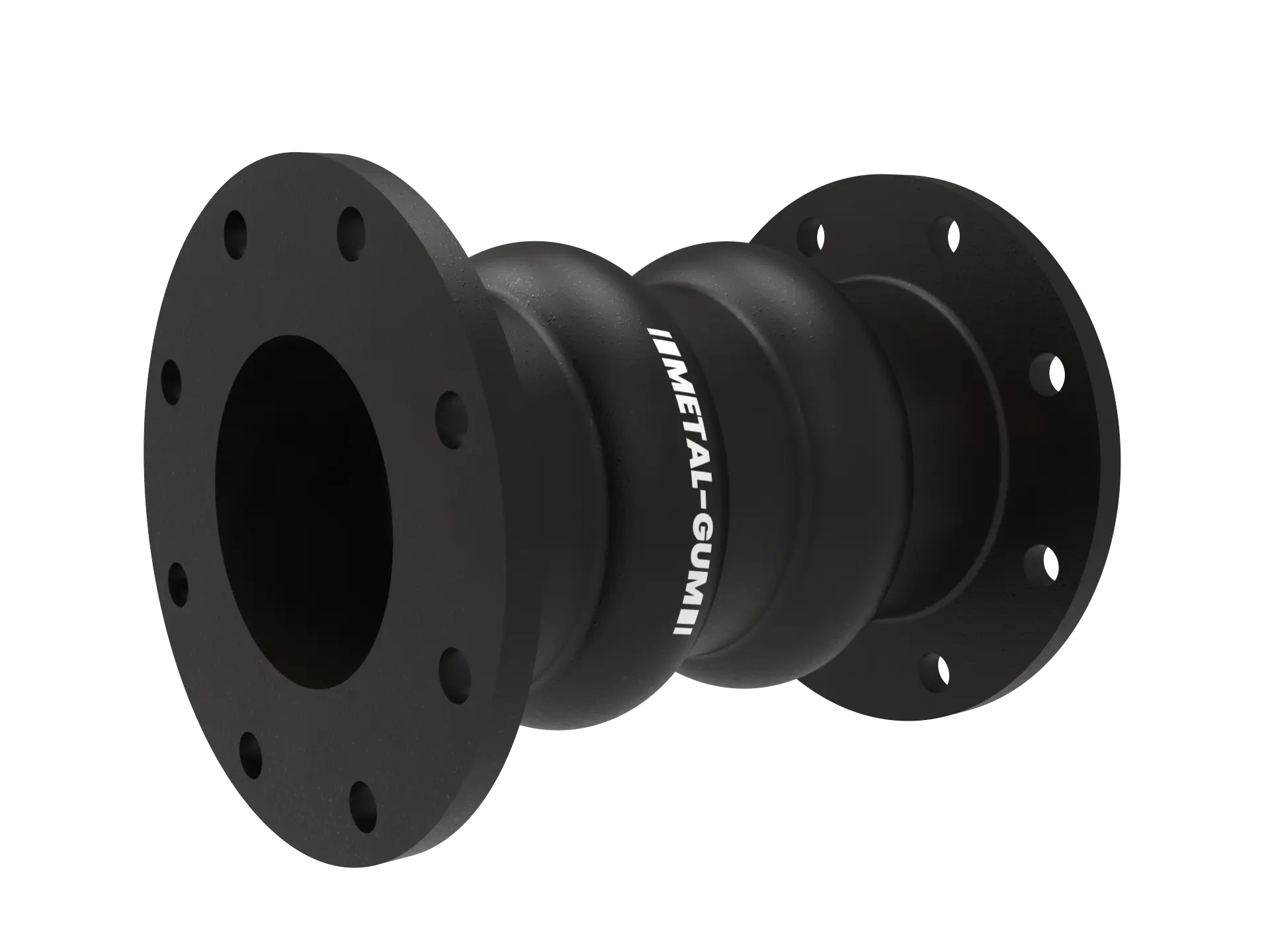
A double-arched sleeve has a characteristic body geometry. The variant name alone is not enough to identify it — dimensions, length, end shape and valve model are also required.
For a replacement sleeve, it is best to provide a photograph and a dimensioned sketch of the existing part.
Conical and reducing sleeves
A conical or reducing sleeve has different diameters at its ends. Selection requires both end dimensions, overall length, installation direction and mounting method.
These sleeves should not be selected using only one diameter. Metal-Gum offers conical and reducing sleeves in the 3/8–4 inch range. See conical and reducing sleeves
Operating pressure and temperature
For standard drilled and undrilled sleeve families, Metal-Gum specifies operating pressures of 0.6 / 1.0 / 1.6 MPa and temperatures up to 100°C, while the permissible temperature depends on the type of rubber and operating pressure.
These parameters must not be transferred automatically to every sleeve or to another valve model. Final selection should take into account:
- operating pressure and any pressure surges,
- continuous operating temperature and temporary values,
- type and concentration of the medium,
- presence of solid particles,
- number of opening and closing cycles,
- valve design and control method.
How do you select a sleeve for an existing valve?
When replacing a sleeve, the safest starting point is to identify the existing valve and part.
For an enquiry, it is worth providing:
- Valve manufacturer, model and marking.
- Sleeve type: drilled, undrilled, double-arched, conical or reducing.
- Sleeve dimensions: DN, overall length, end diameters and end dimensions.
- For the drilled version: the number, spacing and dimensions of the holes.
- Type of medium, its composition or concentration and information about solid particles.
- Operating temperature and pressure.
- Information about the valve operating method and cycle frequency.
- A photograph, drawing or dimensioned sketch of the existing sleeve.
- A description of damage to the old component, if available.
A photograph may help identify the sleeve variant initially, but it is usually not enough to manufacture a new part. It is best to combine it with dimensions and the valve marking.
When should a rubber sleeve be replaced?
Replacement may be necessary when there is:
- valve leakage,
- cracking or tearing of the sleeve,
- permanent deformation,
- visible wear of the surface in contact with the medium,
- a problem with fully opening or closing the flow.
Before ordering a new part, it is worth determining the cause of wear. If the previous sleeve failed prematurely, the reason may be not only its age but also incompatibility of the material with the medium, exceeding the operating parameters or a problem with the valve design.
Metal-Gum rubber sleeves for pinch valves
Metal-Gum supplies rubber sleeves for pinch valves in drilled, undrilled, double-arched, conical and reducing variants.
Executions are available in NR, EPDM, EPDM-HT, NBR and SBR compounds selected for the medium, temperature, pressure and valve design. A sleeve can also be prepared on the basis of technical documentation or dimensions of an existing part.
The full range of valves and sleeves is available on the Pinch valves and sleeves page.
Do you need a sleeve for a pinch valve?
If you are replacing a worn sleeve or need a component for a specific valve, send the Metal-Gum technical team the valve model, sleeve dimensions, information about the medium, pressure and temperature, and a photograph or drawing of the existing part.
This information makes it possible to confirm the correct material, geometry and method of manufacture before ordering the sleeve.