METAL-GUM | RUBBER PRODUCTS FOR INDUSTRY
We start selecting sleeves, elbows, hoses and expansion joints from the function of the component, the medium and the actual operating conditions of the installation.
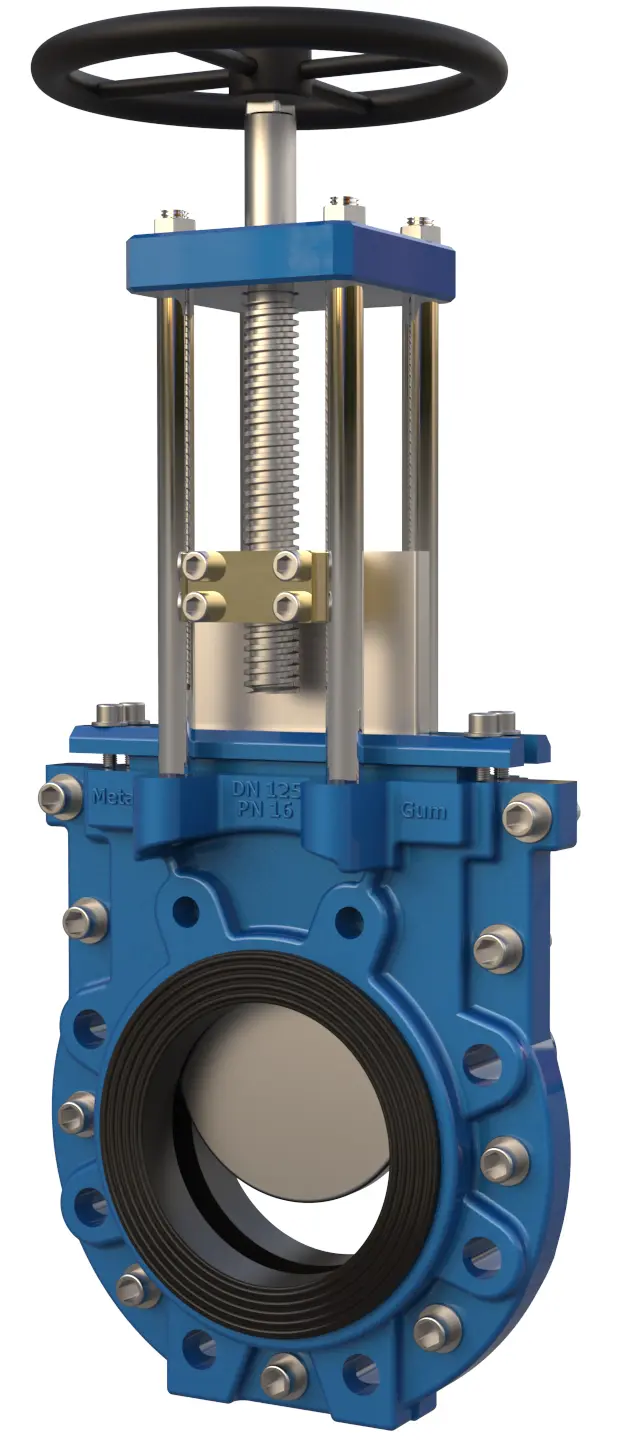
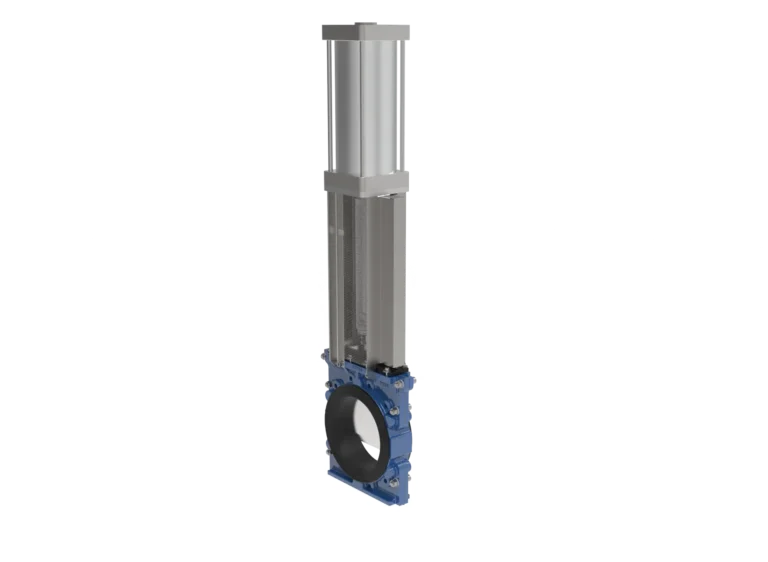
A pinch valve sleeve works cyclically together with the closing mechanism. A rubber elbow guides the flow where its direction changes, which is where abrasive wear can concentrate. A suction hose must remain stable under vacuum, and an expansion joint must absorb defined pipeline movements and limit the transmission of vibration.
At Metal-Gum, we select rubber products for their function in the installation, the medium, the loads and the installation geometry. We design and manufacture them at our plant at 2 Naftowa Street in Zielona Góra, supporting both new installations and the replacement of wear parts.
The design of a product follows from its task in the installation
For rubber components, the diameter and the name of the material alone do not yet describe the operating conditions. The design determines how the product carries loads, retains its geometry and works with the other components of the installation.
| Product | Characteristic design | Example version in our range |
|---|---|---|
| Pinch valve sleeves | A replaceable working element that works together with the pinching mechanism. | NR, EPDM, NBR and SBR compounds; drilled, undrilled, double-arch and conical versions. |
| Rubber elbows and bends | A rubber lining working in the zone where the flow changes direction. | Lining thickness of 6–25 mm depending on the abrasion conditions; flanged or plain ends. |
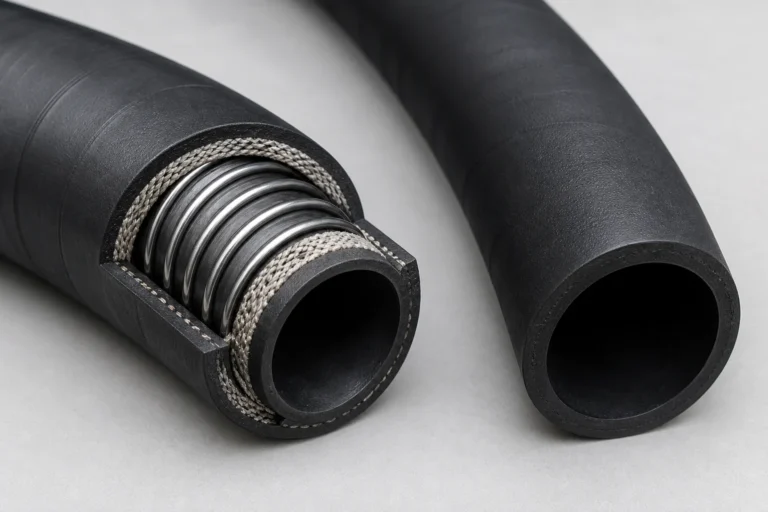
| Reinforced hoses | A steel helix and textile plies selected for the way the hose works. | Suction, discharge and suction-discharge versions; length and ends selected for the application. |
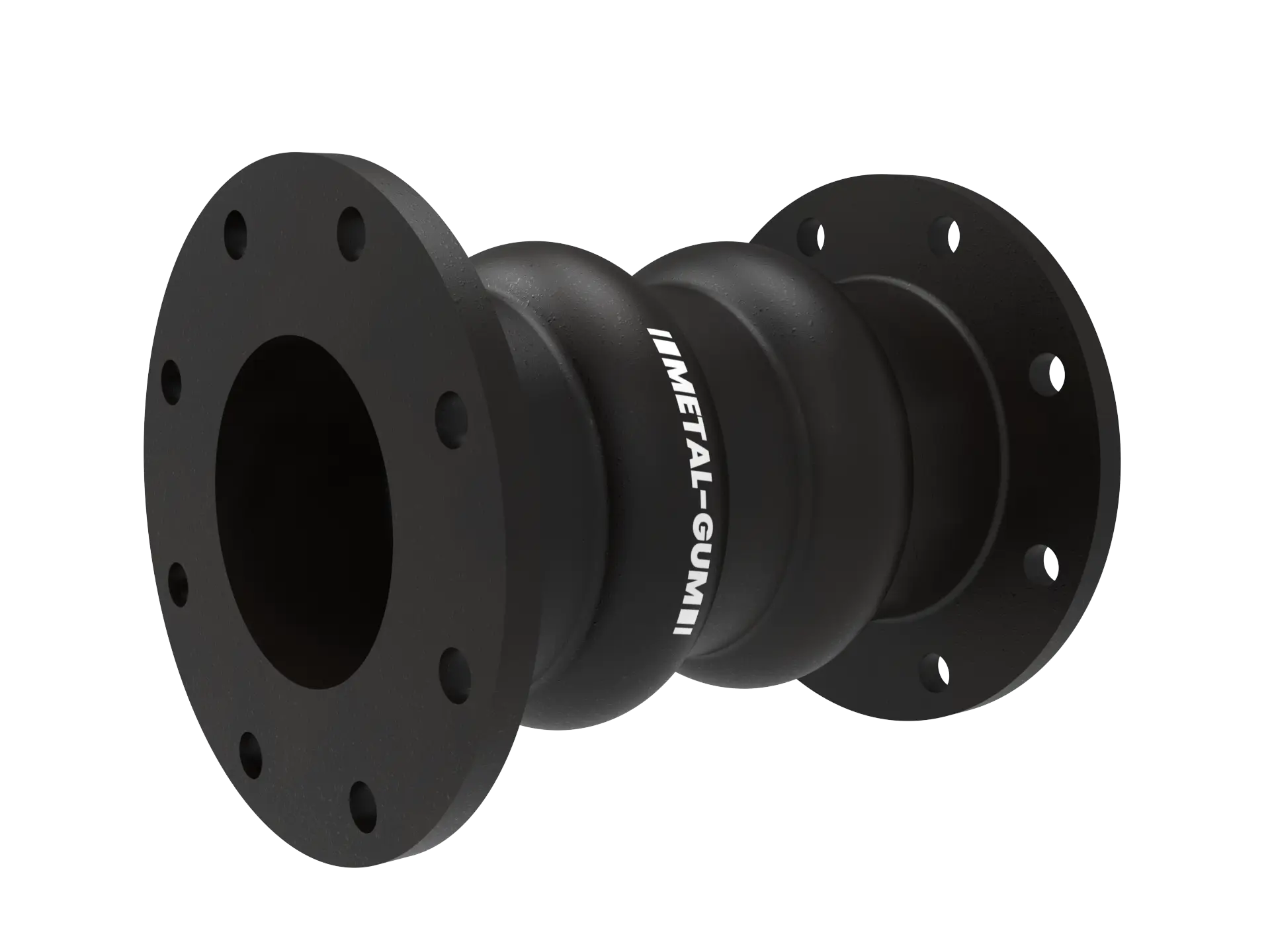
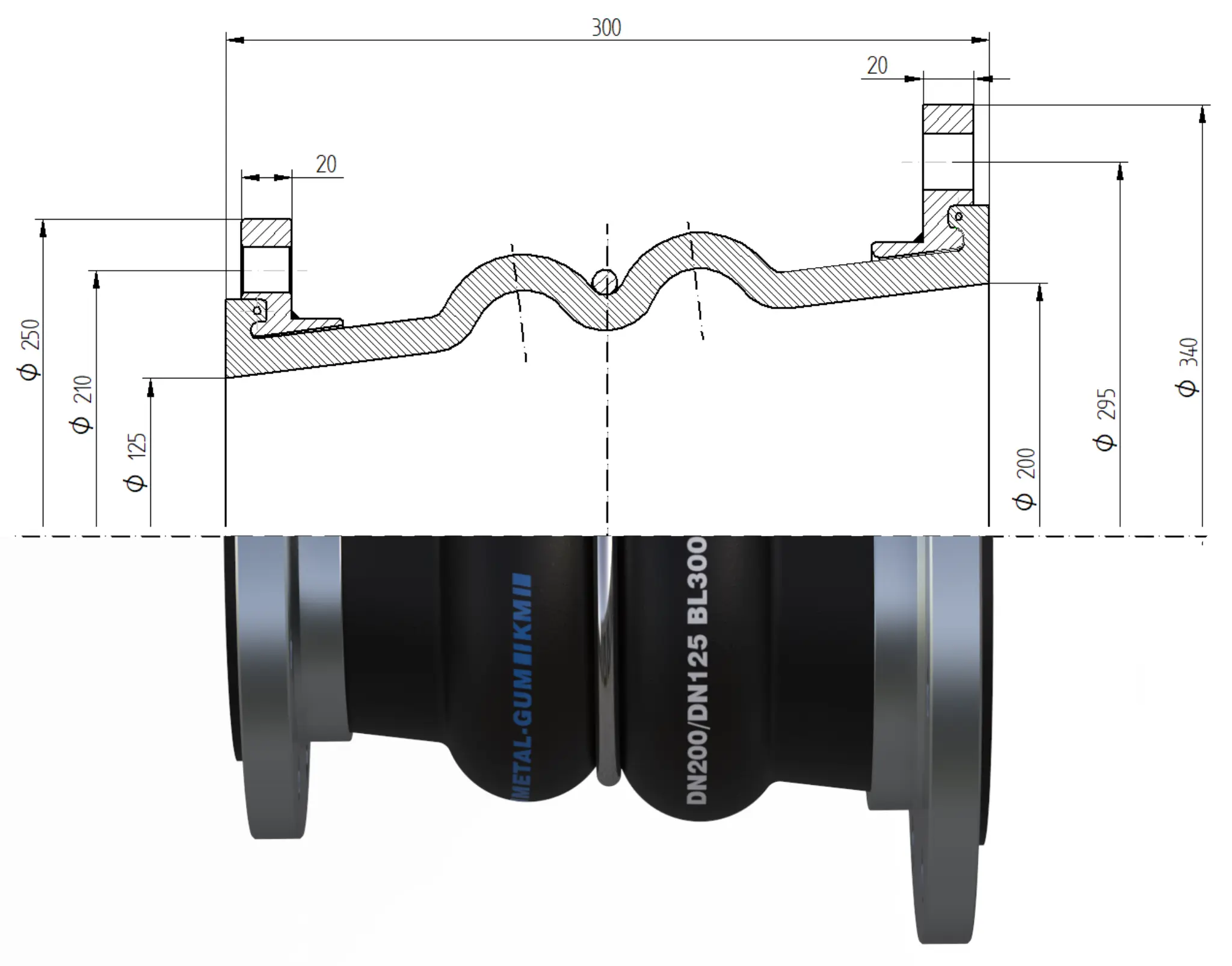
| Rubber expansion joints | A flexible element that absorbs pipeline movements and limits the transmission of vibration. | Versions selected for the medium, temperature, pressure, movements and installation method. |
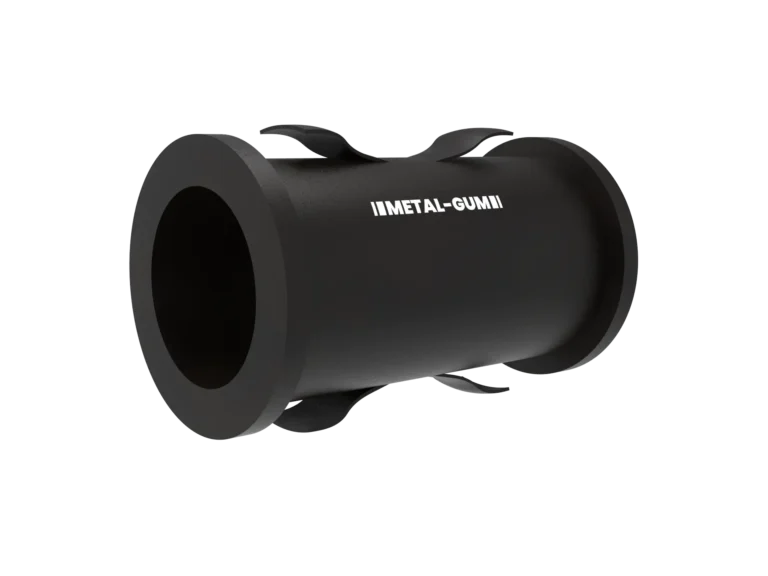
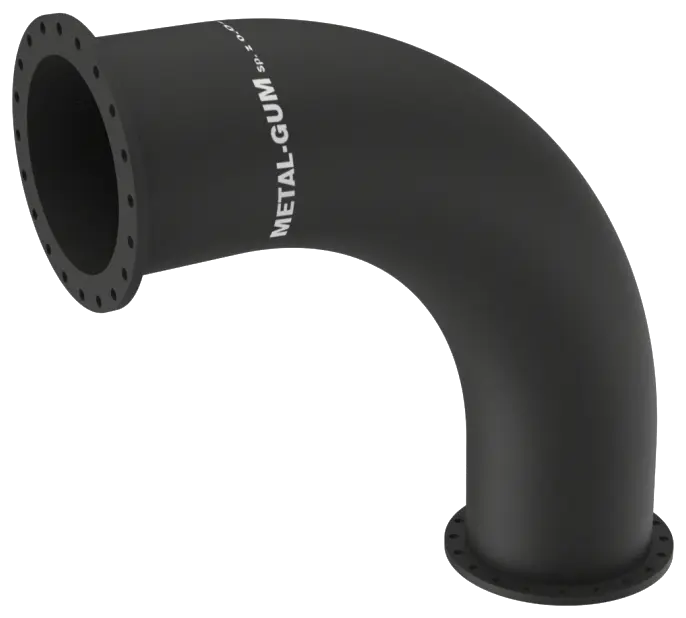
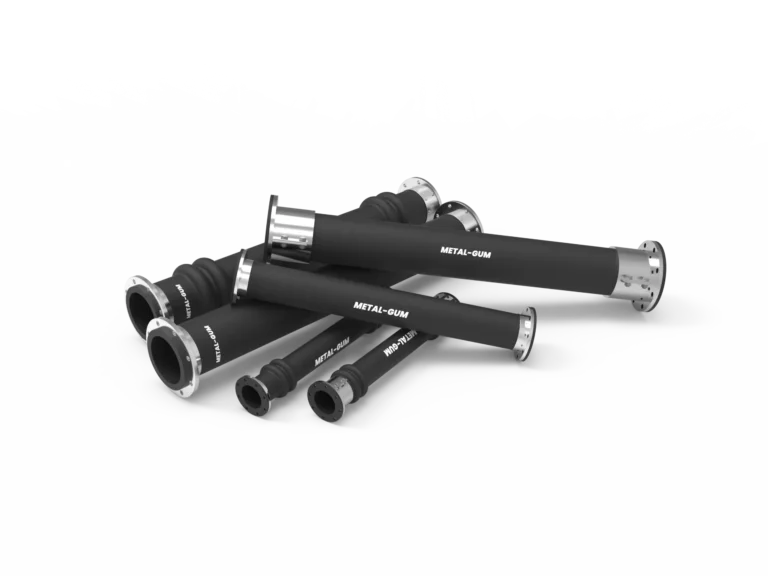
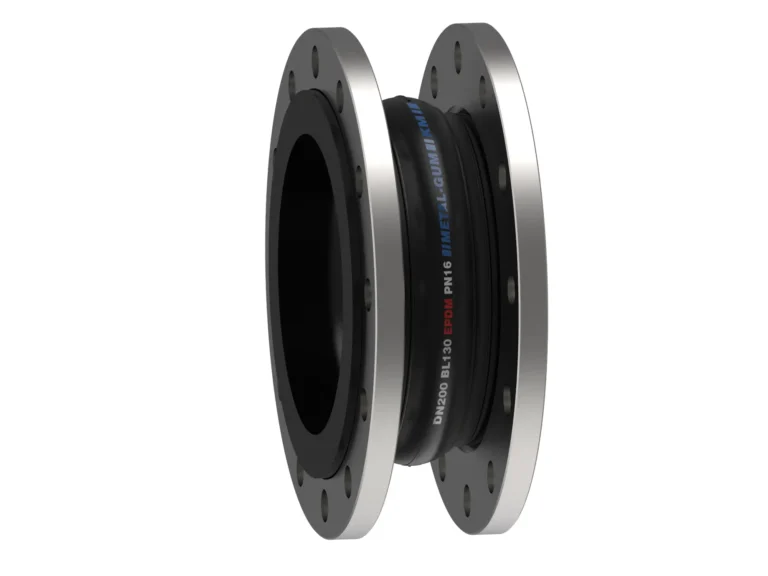
We describe detailed design solutions on the product pages for pinch valve sleeves, rubber elbows and bends, reinforced hoses and rubber expansion joints. During selection, we always relate the parameters of a specific product to its operating conditions, not just to the name of the material group.
The rubber compound is part of the design, not an answer in itself
We consider chemical resistance and mechanical requirements together. In the pinch valve sleeve family, NR is one of the compounds considered for slurries and abrasive media, NBR for oily media and EPDM for water and wastewater. SBR is also used in the available versions. We treat this assignment as a starting point – the final selection depends on the exact process parameters and the design of the part.
If the product is in contact not only with the process medium but also with a cleaning or flushing agent, we assess both operating states. The composition and concentration of the agent, the temperature and the contact time all matter. The polymer symbol alone does not replace the specification of a particular compound and information about the conditions in which the finished component is to work.
The way a part wears is information about its operating conditions
When replacing a component, it is worth describing not only its dimensions but also the way it has worn. The traces of service often help to narrow down the cause of the problem and show which parameters need to be checked before the next part is made.
Rubber elbow or bend
We compare local wear with the flow direction, the route geometry and the presence of solids. When selecting a new component, the radius, angle, lining thickness and actual abrasion conditions matter. Simply increasing the rubber thickness without checking the other conditions does not necessarily remove the cause of accelerated wear.
Hose on the suction side
A collapsing hose draws attention to its design and the vacuum conditions. We check the reinforcement, the routing and the way the hose actually works. For a suction hose, it is essential to keep its geometry even when the internal pressure drops below ambient pressure.
Pinch valve sleeve
When a sleeve is worn, photos of the damaged area, the valve designation and a description of the medium and operating cycles are useful. The sleeve is deformed with every closure, so its material and geometry must be considered together with the mechanics of the specific valve.
Data needed to select or reproduce a product
The more precisely the operating conditions are described, the fewer assumptions have to be made during selection. For an enquiry, it is worth preparing:
- the function of the part and the model of the machine or installation in which it works;
- the process medium and cleaning agents, together with the contact conditions;
- the pressure or vacuum, the temperature and the nature of the operation and loads;
- a drawing with the functional dimensions, end connections and mounting method;
- the quantity, the required documents, and photos and a description of the wear to date.
When we reproduce a part from a used sample, we separate the dimensions required by the machine from those resulting from wear or permanent deformation. Photos and measurements taken after removal describe the service condition well, while the machine drawing or the original documentation makes it possible to establish the geometry that the new product should have.
Replacing a wear part – more than copying the dimensions
In practice, replacing a worn component does not always come down to making a copy. If the previous part wore locally, collapsed during operation or did not reach the expected service life, the sample alone will not answer whether the cause was the material, the geometry, the installation method or the process conditions.
That is why, when reproducing a product, we also ask for information about how the installation operates. This makes it possible to assess whether the existing design should be kept or whether the material, reinforcement, geometry or another parameter affecting service life should be corrected before the new part is made.
Rubber products in Zielona Góra – contact Metal-Gum
Our plant and office are located at 2 Naftowa Street, 65-705 Zielona Góra, Poland. The sales department works Monday to Friday, 7:00–15:00. Enquiries can be sent by phone to +48 68 458 55 70 or by e-mail to bok@metal-gum.com.pl.
In your enquiry, you can name a specific product or describe a problem with an existing installation. For replacements, photos, a drawing, the basic dimensions and a description of the wear are particularly helpful. We will agree on how to send a sample or additional documentation depending on the type of component.
Questions about replacement and operation
Is a worn component enough as a sample for making a replacement?
It can be very helpful for identifying the design and the wear pattern, but after service the part may be deformed, swollen or worn. Dimensions responsible for mounting and for working with the machine are best checked against a drawing or documentation. If there is none, it is worth indicating which measurements come from the used component and need to be agreed before the new part is made.
What changes when a different cleaning agent is used?
A new agent changes the conditions of the product’s contact with the medium, even if the basic process stays the same. The assessment requires its composition, concentration, temperature and exposure time. It is worth checking this data before changing the cleaning method, because a material selected for the process medium will not necessarily behave the same way in contact with another chemical.